What is RedNote? A Complete Guide for U.S. Business Owners
If you're a U.S. business owner trying to reach Chinese American consumers, you've probably heard the name RedNote — but what exactly is it? And why does it matter for your business?
In this guide, we'll break down everything you need to know about RedNote: what it is, how it works, who uses it, and why it's become essential for any business targeting Chinese-speaking consumers in America.
RedNote by the Numbers
Before we dive deeper, here are some key statistics that show why RedNote matters:
- 300+ million monthly active users
- 70% of users are female
- 50% of users are under 30 years old
- 90% of Chinese consumers research on RedNote before purchasing
- 79% of users have made a purchase based on RedNote recommendations
The Many Names of RedNote
One thing that confuses many Western business owners is that RedNote goes by several names:
| Name | Language | Meaning |
|---|---|---|
| RedNote | English | Official English brand name |
| Xiaohongshu | Pinyin | Romanized Chinese pronunciation |
| Little Red Book | English | Direct translation of the Chinese name |
All three names refer to the same platform. In this article, we'll use "RedNote" as it's becoming the standard English term.
What Makes RedNote Different?
To understand RedNote, it helps to compare it to platforms you already know:
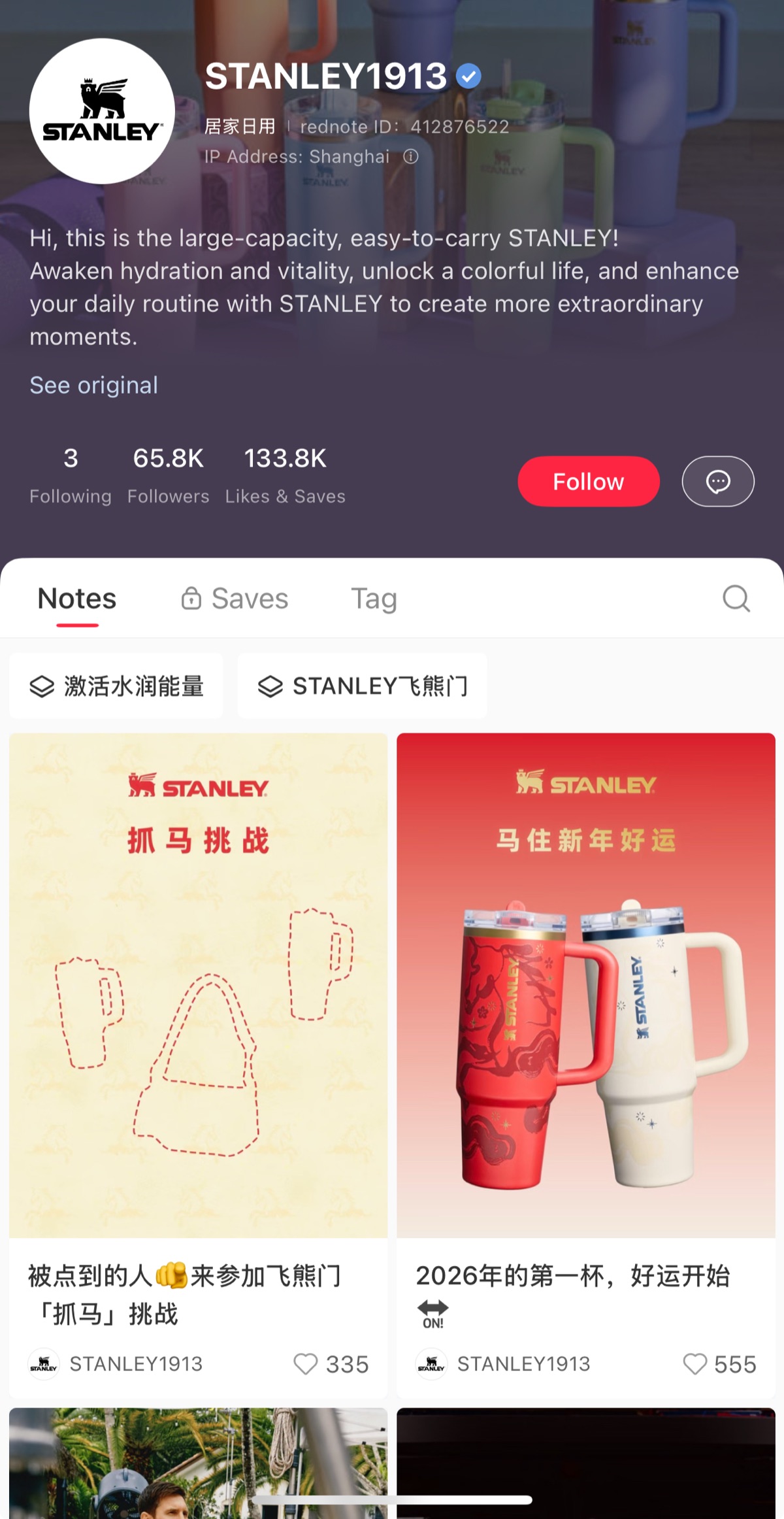
It's a Search Engine (Like Google)
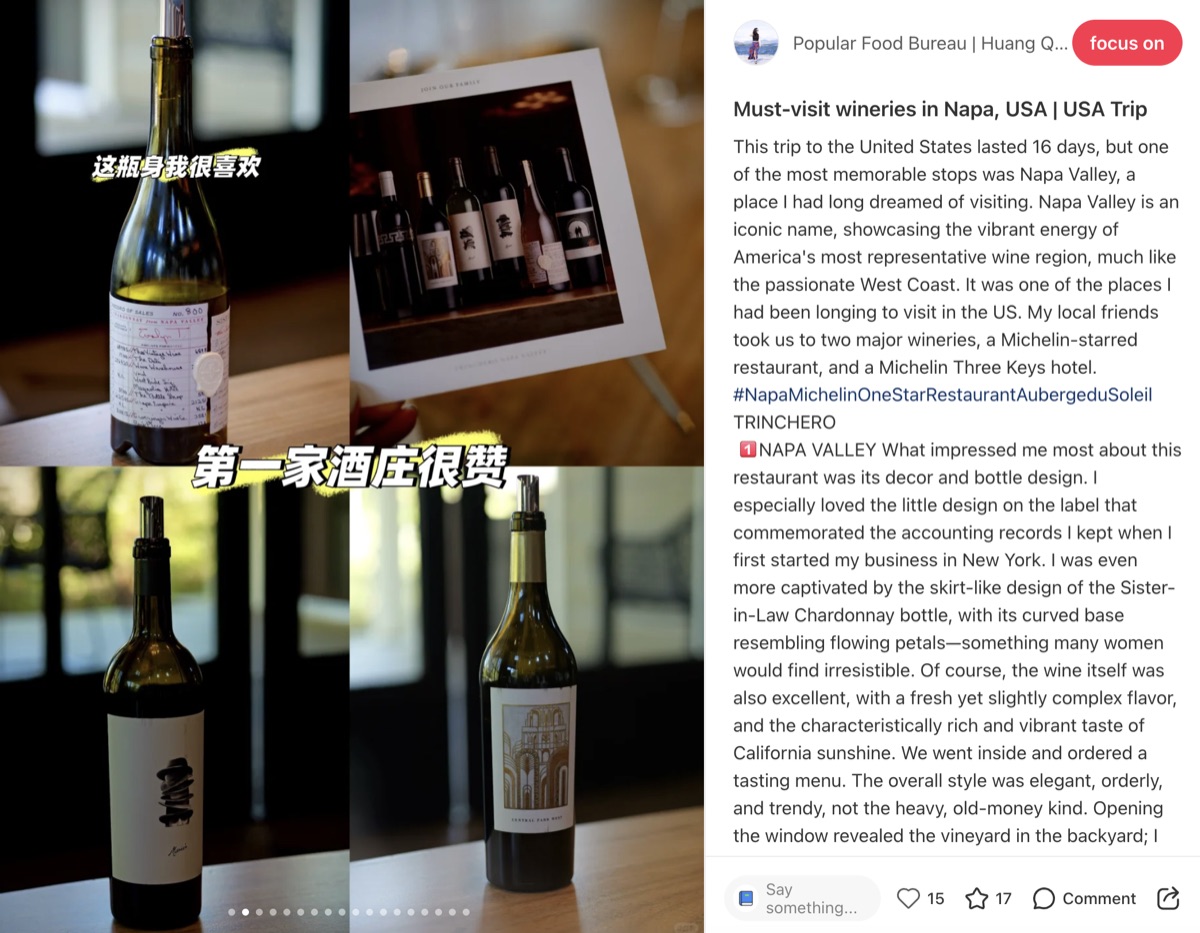
Chinese consumers use RedNote as their primary search engine for lifestyle decisions. When they want to find the best brunch spot in San Francisco, the top-rated hotels in Napa, or reviews of a new skincare product — they search on RedNote, not Google.
It's a Review Platform (Like Yelp)
Users post detailed reviews with photos and videos about their experiences. But unlike Yelp's anonymous reviews, RedNote reviews come from real profiles with history and credibility. This makes the recommendations more trusted.
It's a Social Network (Like Instagram)
Users follow creators, share lifestyle content, and engage with posts. The visual-first format focuses on beautiful imagery and short videos. But unlike Instagram, the content is primarily informational and recommendation-based rather than purely social.
It's a Shopping Platform (Like Pinterest)
Users save posts for later, create collections, and can purchase products directly through the app. The path from discovery to purchase is seamless.
Who Uses RedNote in the United States?
While RedNote is based in China, it has a massive and influential user base in the United States:
- Chinese American residents — First and second-generation immigrants who prefer Chinese-language content
- Chinese international students — Over 300,000 students in U.S. universities
- Chinese tourists — Millions visit the U.S. annually and plan trips on RedNote
- Chinese business professionals — Working in major metro areas
These users are concentrated in major metropolitan areas:
- San Francisco Bay Area
- Los Angeles / Orange County
- New York City
- Seattle
- Boston
Why Chinese Consumers Prefer RedNote
You might wonder: why don't Chinese American consumers just use Google and Yelp like everyone else?
There are several reasons:
1. Language Preference
Many Chinese Americans prefer consuming content in Mandarin. RedNote's content is primarily in Chinese, making it more accessible and comfortable to use.
2. Cultural Relevance
RedNote reviews often highlight factors that matter specifically to Chinese consumers — such as whether a restaurant is good for family gatherings, if a hotel is suitable for taking photos, or if a product is authentic.
3. Trust in Community
Chinese culture places high value on word-of-mouth recommendations from trusted sources. RedNote's community-driven model aligns perfectly with this cultural preference.
4. Content Quality
RedNote posts tend to be more detailed and visual than typical Western reviews. Users share comprehensive guides with multiple photos, specific tips, and honest assessments.
What Types of Content Perform on RedNote?
Understanding what works on RedNote helps you see why it's valuable for businesses:
- Experience sharing — "I visited this winery and here's what you need to know"
- How-to guides — "How to get the best table at this restaurant"
- Comparison posts — "I tried 5 coffee shops in SF, here's my ranking"
- Hidden gems — "The local spot tourists don't know about"
- Honest reviews — Including both pros and cons
The most successful content feels authentic and helpful — not promotional. This is why working with experienced RedNote creators is often more effective than traditional advertising.
Why Your Business Should Care About RedNote
If you're still wondering whether RedNote matters for your business, consider this:
Chinese American households have a median income exceeding $100,000 — significantly higher than the U.S. average. They're high-spending consumers actively looking for quality businesses to patronize.
But here's the problem: if your business isn't visible on RedNote, you don't exist to these consumers.
They're not going to find you on Google. They're not going to find you on Yelp. They're searching on RedNote — and if you're not there, your competitors might be.
Industries That Benefit Most from RedNote
While almost any consumer-facing business can benefit from RedNote presence, these industries see the strongest results:
- Restaurants & Dining — Group dining decisions, special occasions
- Hotels & Hospitality — Travel planning, experience research
- Wineries & Tasting Rooms — Premium experiences, gift-worthy products
- Education — Schools, tutoring centers, enrichment programs
- Retail & Consumer Brands — Beauty, fashion, lifestyle products
- Tourism & Attractions — Theme parks, tours, experiences
- Professional Services — Real estate, legal, medical
Getting Started with RedNote Marketing
If you're convinced that RedNote matters for your business, the next question is: how do you get started?
There are several approaches:
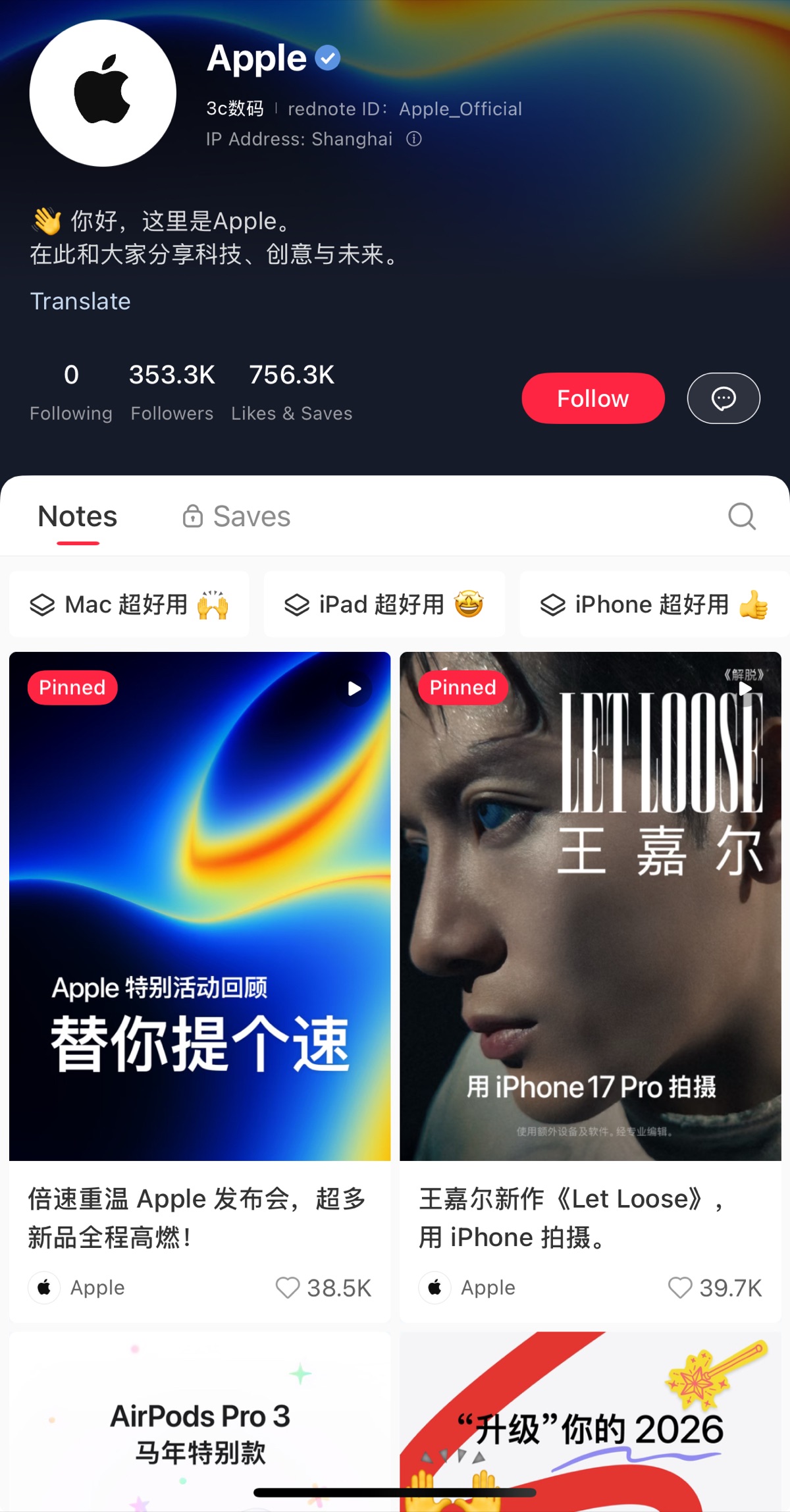
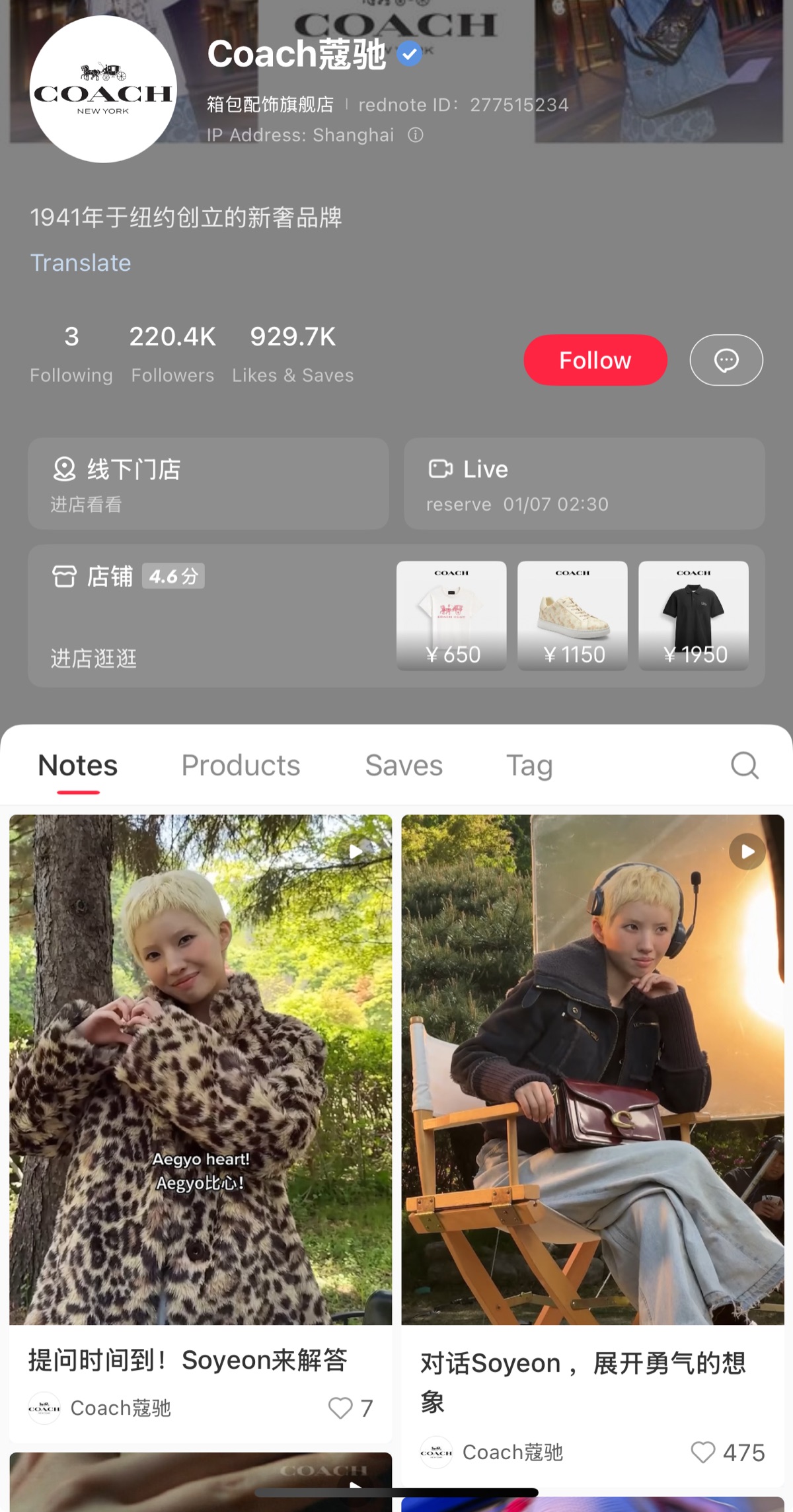
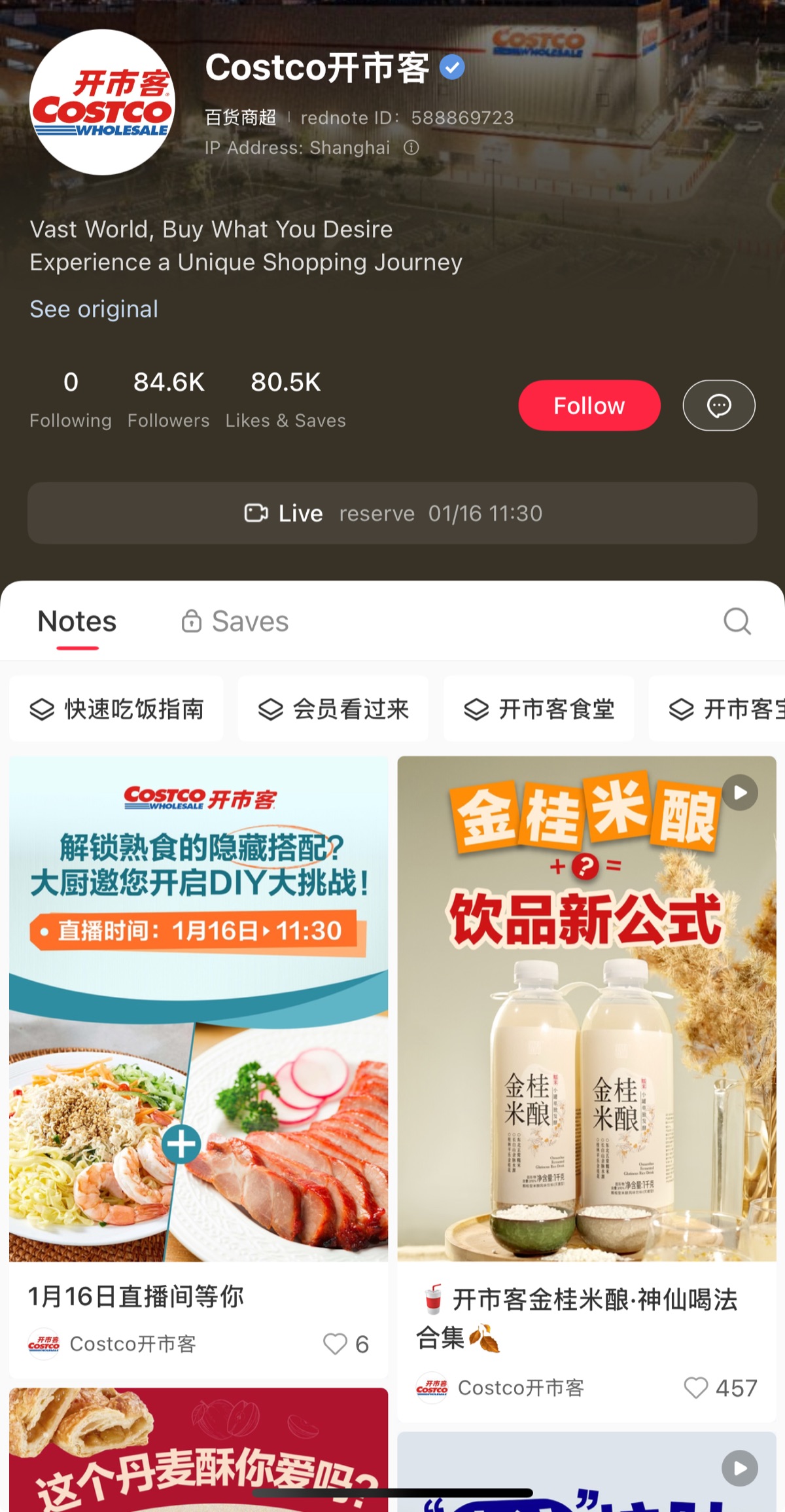
- Brand Account — Create an official presence for your business
- Organic Content — Post regular, valuable content in Chinese
- Influencer Partnerships — Work with trusted RedNote creators (KOLs)
- Paid Advertising — Amplify high-performing content
- Community Engagement — Respond to mentions and reviews
The most effective strategy usually combines multiple approaches, starting with organic content and influencer partnerships to build credibility before scaling with paid amplification.
Common Mistakes to Avoid
Many Western businesses make critical mistakes when approaching RedNote:
- Treating it like Instagram — Polished brand content doesn't perform; authentic experiences do
- Posting in English — Content must be in Mandarin to reach the audience
- Over-promoting — RedNote users can spot and ignore obvious ads
- Inconsistent posting — The algorithm rewards regular, quality content
- Ignoring comments — Engagement and responsiveness build trust
The Bottom Line
RedNote is no longer optional for businesses targeting Chinese American consumers. It's the primary platform where this valuable demographic discovers, researches, and decides on purchases.
The businesses that establish their RedNote presence now will capture market share while competitors remain invisible. The question isn't whether you should be on RedNote — it's how quickly you can get started.
Ready to reach Chinese American consumers through RedNote? Book a free consultation to learn how Upbeat can help you build an effective RedNote marketing strategy.
Want to get started on RedNote?
Get a free audit of your current visibility and a custom strategy for your business.
Book a Free Call